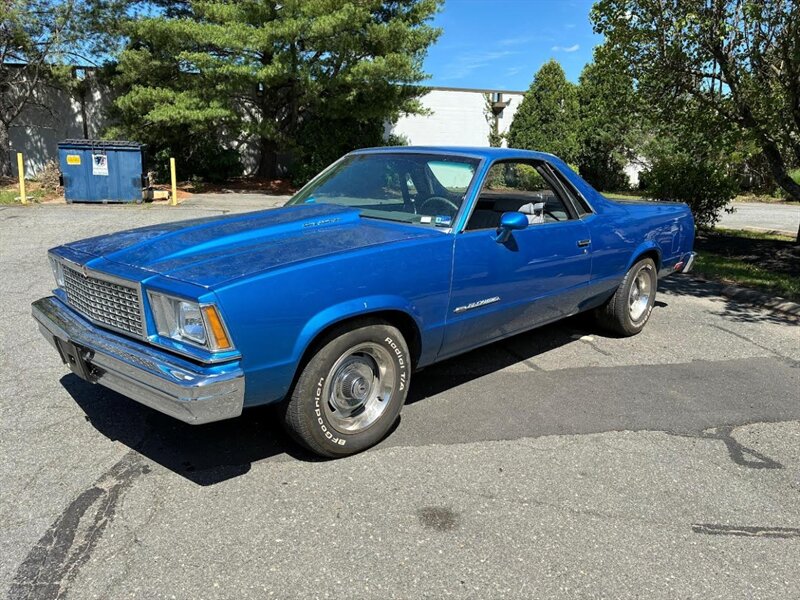
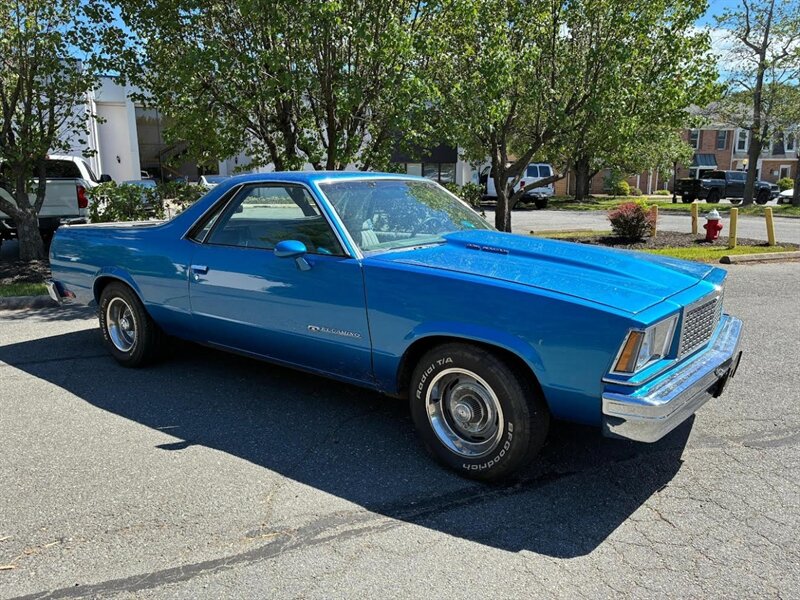
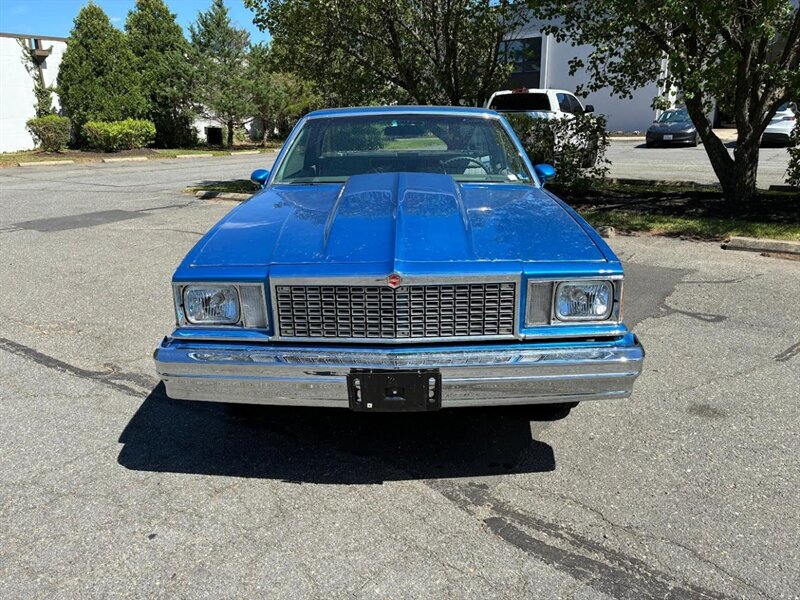
1978 Chevrolet El Camino
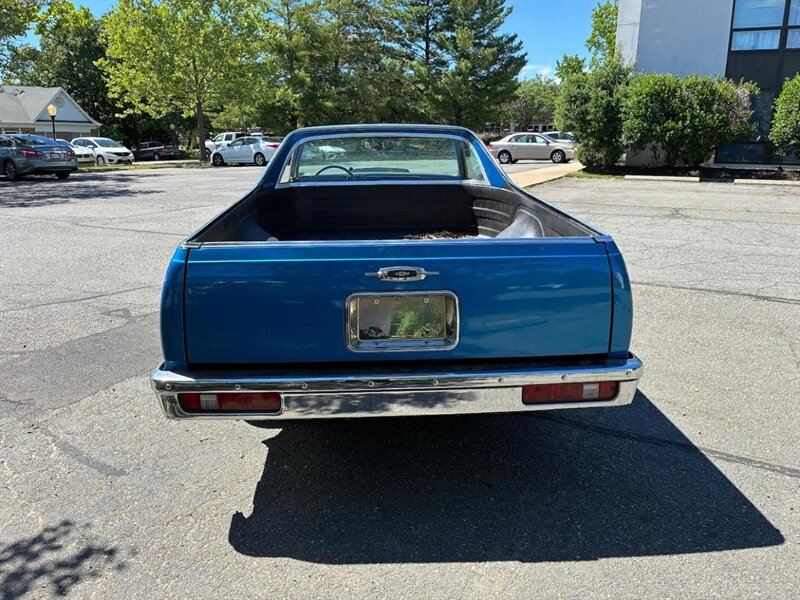
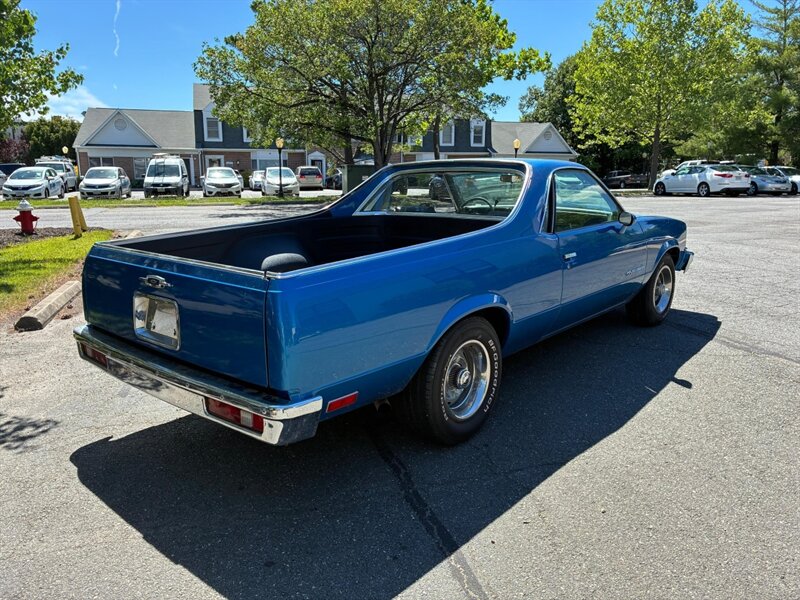
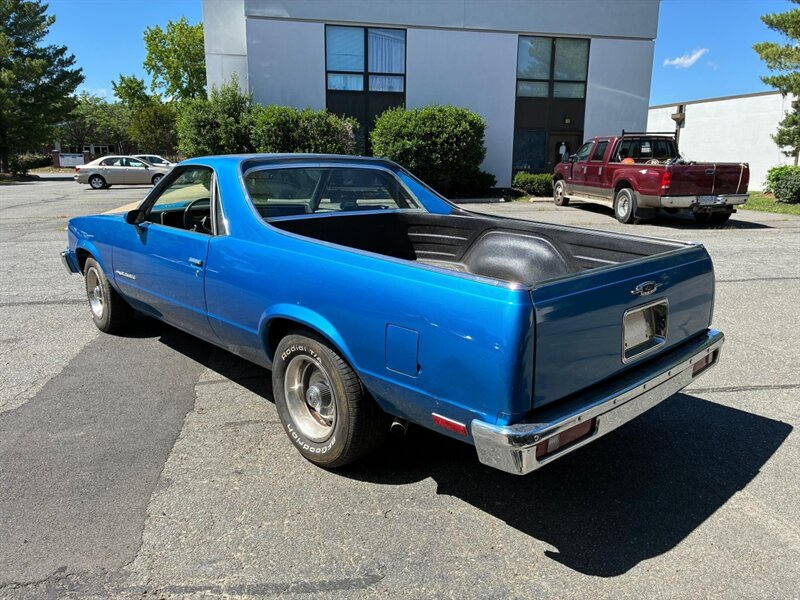
1978 Chevrolet El Camino 2-Door Truck
Exterior Color:
Blue
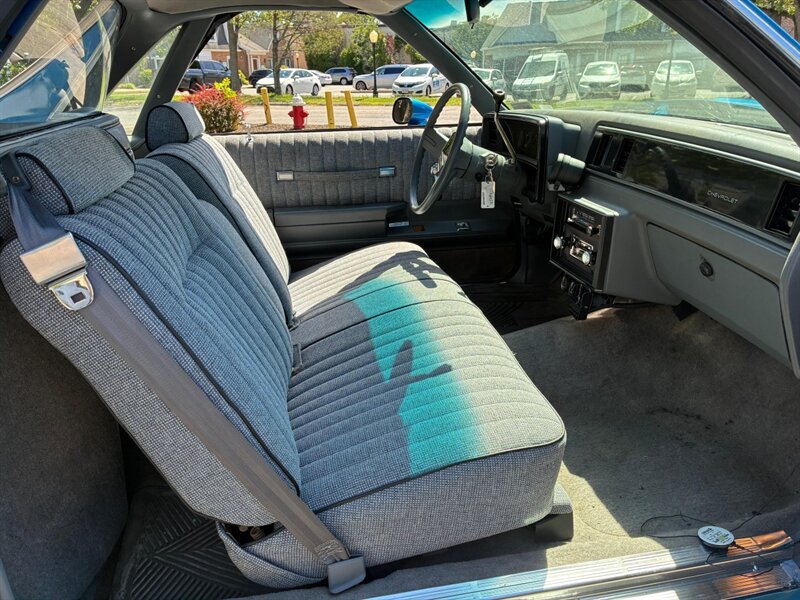
Interior Color:
Grey
Stock Number:
106A
Mileage:
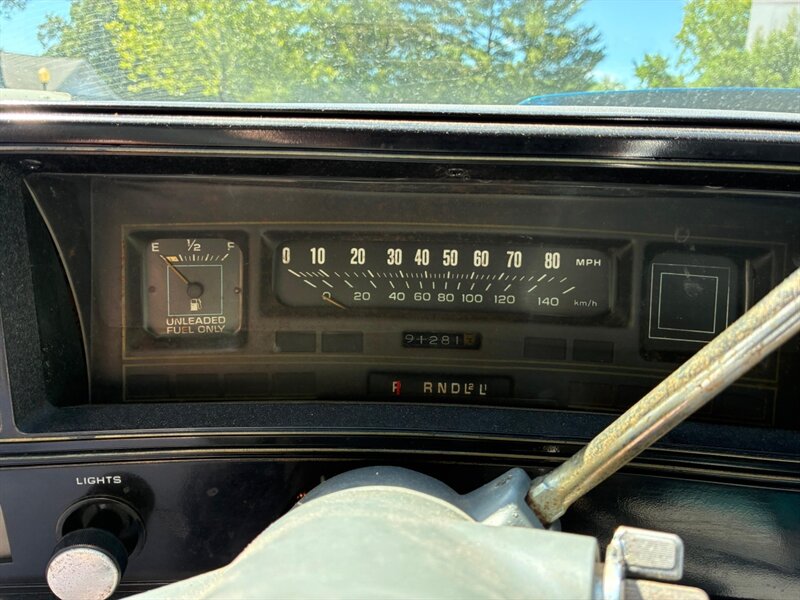
91,260
Fuel:
Gasoline
Transmission:
Automatic
Title:
Clear
VIN:
1W80U8R484269
Internet Price:
$14,995
Doc Fee:
+$599
Purchase Price:
$15,594
Vehicle Description
The 1978 Chevrolet El Camino marked the first year of the fifth-generation G-body El Camino, combining passenger-car comfort with a pickup-style cargo bed. The factory configuration emphasized everyday utility and straightforward mechanics, while offering a range of drivetrain and convenience options to suit different needs.
Chassis and body
- Two-door coupe/utility body built on GM’s G-body platform with a unibody-style construction and a conventional ladder-type frame structure supporting the cargo bed area. The styling adopted the Malibu sedan’s front sheetmetal, with an integrated cab-to-bed transition, full steel bed floor, and a tailgate designed for everyday loading.
- Exterior trim was modest and functional: chromed bumpers, a grille coordinated with Chevrolet passenger cars of the era, and federally required side marker lamps. Finish and trim levels ranged from basic painted steel wheels to optional styled wheels and trim packages.
Engines and driveline
- Chevrolet shipped the El Camino from the factory with a range of engines. The base was a six-cylinder engine intended for economy and durability, and a series of small-block V8s were offered for buyers wanting more performance and towing capability. Small-block V8 choices included 5.0L and 5.7L displacements in various states of tune.
- Rear-wheel drive was standard. A conventional solid rear axle with leaf springs was used to provide bed load capacity and simple serviceability. Factory rear axle ratios varied to balance acceleration and fuel economy depending on engine and transmission selection.
Transmissions and steering
- The typical factory transmission was a three-speed manual; buyers could specify a four-speed manual or a three-speed Turbo-Hydramatic automatic as factory options. Shifting arrangements included a column-mounted shifter on bench-seat cars and a floor shifter when paired with optional bucket seats and console.
- Power steering was widely available from the factory as an option and was frequently ordered on models with V8 engines or heavier equipment; manual steering remained an available choice on the most basic builds.
Suspension and brakes
- Front suspension used coil springs and control arms for predictable ride and handling, while the rear employed leaf springs for load carrying. Brake systems were engineered for passenger-car use; front disc brakes were available/installed on many configurations, with power-assist brakes commonly offered as an option or as part of convenience packages.
Interior and convenience
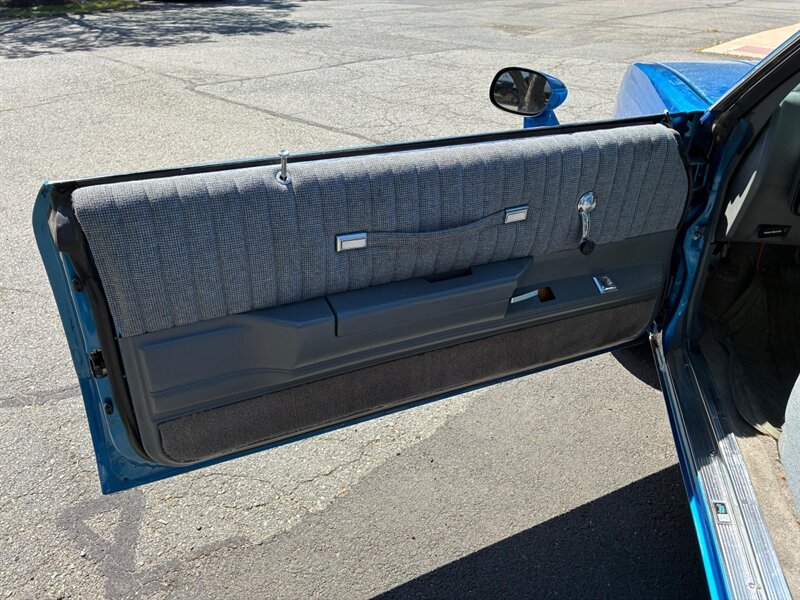
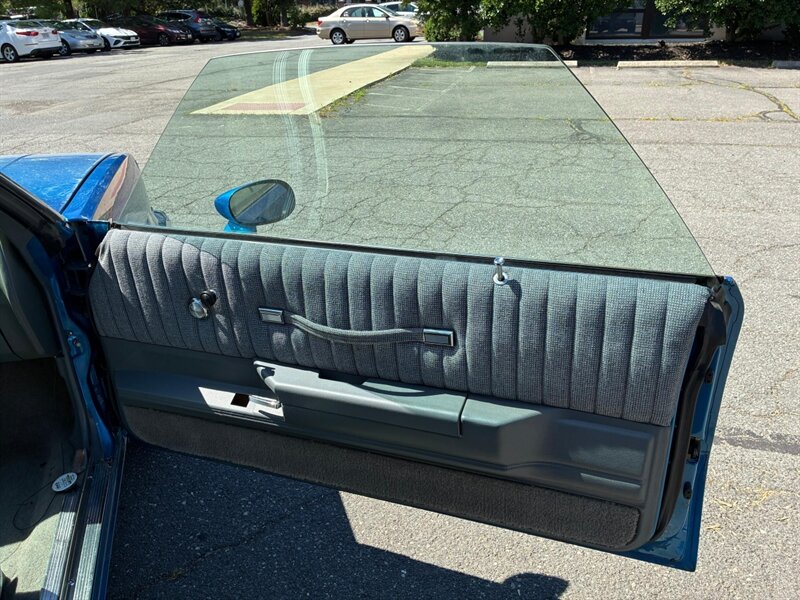
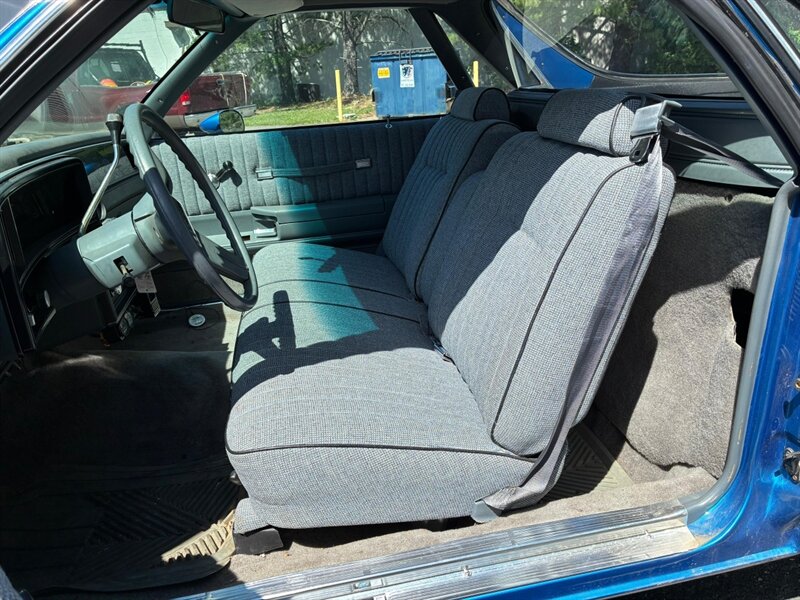
- Interiors were built for practical daily use: a two- or three-person bench seat with vinyl upholstery was typical as standard equipment, with cloth or bucket seats and a center console available as factory options. Instrumentation included a speedometer and essential gauges (fuel level and engine temperature); warning lamps and basic indicator lights were standard.
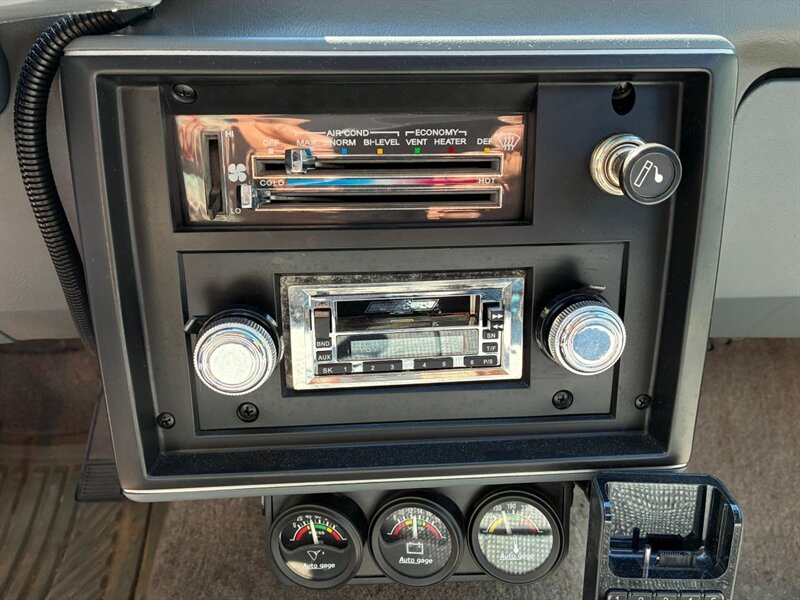
- Standard comfort items included a heater and defroster. An AM radio was commonly fitted from the factory, with AM/FM radio and 8-track/cassette playback units offered as options. Air conditioning, power windows, power door locks, cruise control, and tilt steering were factory-installed options for buyers seeking more comfort and convenience.
Safety and regulatory equipment
- Factory safety features reflected federal requirements of the period: lap belts (and in many cases lap-and-shoulder belts), an energy-absorbing steering column, and necessary exterior lighting and reflectors. Options such as heavier-duty braking or limited-slip differentials could be specified to match intended use.
Overall, a 1978 El Camino fresh from the factory was a utilitarian two-door coupe utility that balanced a simple, durable mechanical package with a selection of powertrains and comfort options. Buyers could order the car as an economical work vehicle or specify higher-output engines, upgraded interiors, and convenience equipment to create a more passenger-ca
Chassis and body
- Two-door coupe/utility body built on GM’s G-body platform with a unibody-style construction and a conventional ladder-type frame structure supporting the cargo bed area. The styling adopted the Malibu sedan’s front sheetmetal, with an integrated cab-to-bed transition, full steel bed floor, and a tailgate designed for everyday loading.
- Exterior trim was modest and functional: chromed bumpers, a grille coordinated with Chevrolet passenger cars of the era, and federally required side marker lamps. Finish and trim levels ranged from basic painted steel wheels to optional styled wheels and trim packages.
Engines and driveline
- Chevrolet shipped the El Camino from the factory with a range of engines. The base was a six-cylinder engine intended for economy and durability, and a series of small-block V8s were offered for buyers wanting more performance and towing capability. Small-block V8 choices included 5.0L and 5.7L displacements in various states of tune.
- Rear-wheel drive was standard. A conventional solid rear axle with leaf springs was used to provide bed load capacity and simple serviceability. Factory rear axle ratios varied to balance acceleration and fuel economy depending on engine and transmission selection.
Transmissions and steering
- The typical factory transmission was a three-speed manual; buyers could specify a four-speed manual or a three-speed Turbo-Hydramatic automatic as factory options. Shifting arrangements included a column-mounted shifter on bench-seat cars and a floor shifter when paired with optional bucket seats and console.
- Power steering was widely available from the factory as an option and was frequently ordered on models with V8 engines or heavier equipment; manual steering remained an available choice on the most basic builds.
Suspension and brakes
- Front suspension used coil springs and control arms for predictable ride and handling, while the rear employed leaf springs for load carrying. Brake systems were engineered for passenger-car use; front disc brakes were available/installed on many configurations, with power-assist brakes commonly offered as an option or as part of convenience packages.
Interior and convenience
- Interiors were built for practical daily use: a two- or three-person bench seat with vinyl upholstery was typical as standard equipment, with cloth or bucket seats and a center console available as factory options. Instrumentation included a speedometer and essential gauges (fuel level and engine temperature); warning lamps and basic indicator lights were standard.
- Standard comfort items included a heater and defroster. An AM radio was commonly fitted from the factory, with AM/FM radio and 8-track/cassette playback units offered as options. Air conditioning, power windows, power door locks, cruise control, and tilt steering were factory-installed options for buyers seeking more comfort and convenience.
Safety and regulatory equipment
- Factory safety features reflected federal requirements of the period: lap belts (and in many cases lap-and-shoulder belts), an energy-absorbing steering column, and necessary exterior lighting and reflectors. Options such as heavier-duty braking or limited-slip differentials could be specified to match intended use.
Overall, a 1978 El Camino fresh from the factory was a utilitarian two-door coupe utility that balanced a simple, durable mechanical package with a selection of powertrains and comfort options. Buyers could order the car as an economical work vehicle or specify higher-output engines, upgraded interiors, and convenience equipment to create a more passenger-ca
Additional Photos
click on a thumbnail to view full-size photos
Contact Information
Vehicle Features & Options
Vehicle Condition & History
Shipping Information

We recommend ShipMyVehicle.com for vehicle shipping.
Dealership Information
Carbuzz
Business Hours
|
Weekdays:
10:00 AM to 5:00 PM
|
|
| Sat: | 10:00 AM - 5:00 PM |
|---|---|
| Sun: | CLOSED |
Location
829 N Loudoun St.
Winchester, VA 22601
Winchester, VA 22601
Dealership Map